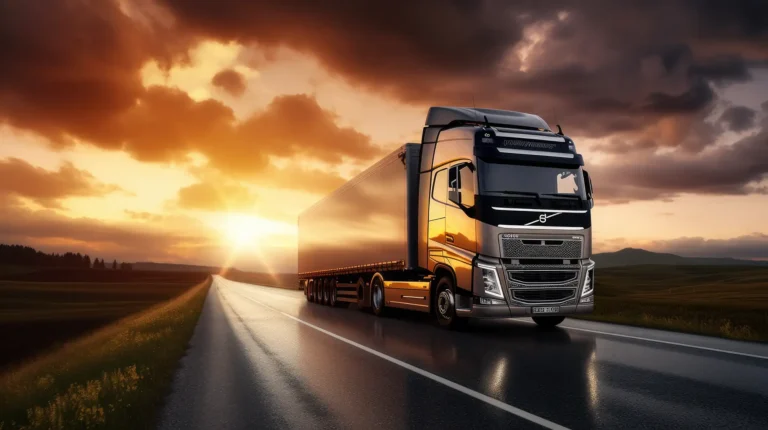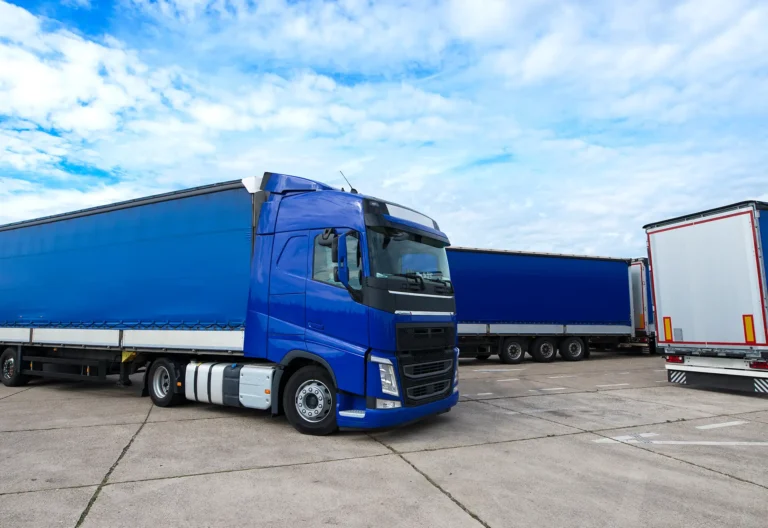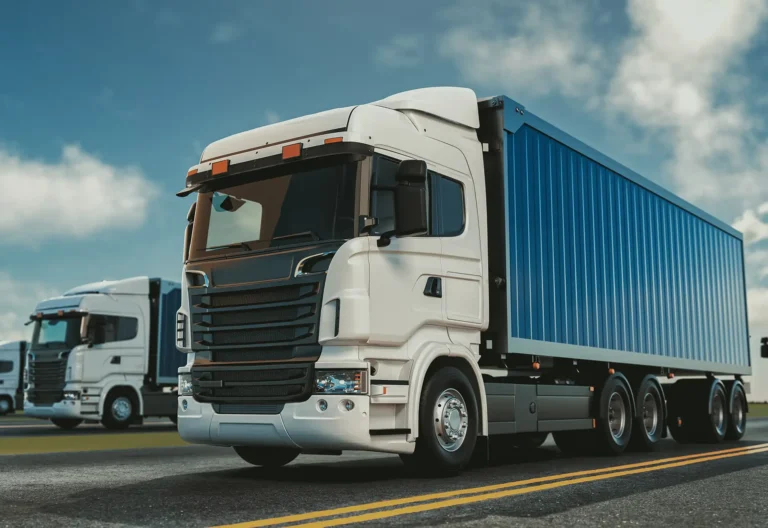

The North American trucking landscape is undergoing a radical shift as electric commercial vehicles (ECVs) move from experimental prototypes to indispensable fleet assets. In 2026, the transition is no longer just an environmental aspiration; it is a calculated economic maneuver. Industry leaders like PepsiCo and Amazon have already demonstrated that high-capacity electric units can drastically lower the cost per mile compared to traditional diesel rigs.
Reshaping Freight Transportation
The integration of heavy-duty electric trucks is fundamentally altering logistics hubs. We are seeing a move toward “megawatt charging” corridors where trucks exceeding 500 km in range can recharge in a fraction of the time previously required. This infrastructure development is turning traditional truck stops into high-tech energy centers. Furthermore, the shift is enabling more efficient urban logistics; because electric trucks operate with near-zero noise, they can navigate noise-sensitive residential areas for nighttime deliveries, effectively expanding the operational window for freight companies and reducing daytime congestion.
Reducing Operating Costs
The financial incentive for electrification is centered on the Total Cost of Ownership (TCO). While the upfront investment for an electric semi-truck remains higher, several factors in 2026 are narrowing that gap:
- Maintenance Efficiency: Electric drivetrains have roughly 30% fewer moving parts than internal combustion engines. This translates to fewer oil changes, no exhaust after-treatments, and significantly less downtime.
- Energy Stability: Electricity prices remain far more stable than the volatile diesel market, allowing fleet managers to forecast long-term expenses with greater precision.
Government Incentives: Federal grants and “Battery-as-a-Service” (BaaS) models are helping small and medium enterprises bypass high initial capital requirements, making the switch to electric more accessible than ever.